Belonging somewhere matters. For billions of people around the world, religion provides exactly that — a shared space where individuals come together around common beliefs, rituals, and values. Whatever your personal views on faith, the communal dimension of religion is hard to dismiss. It shapes lives, builds networks, and gives people a sense of purpose that extends far beyond Sunday services.
The social architecture of faith
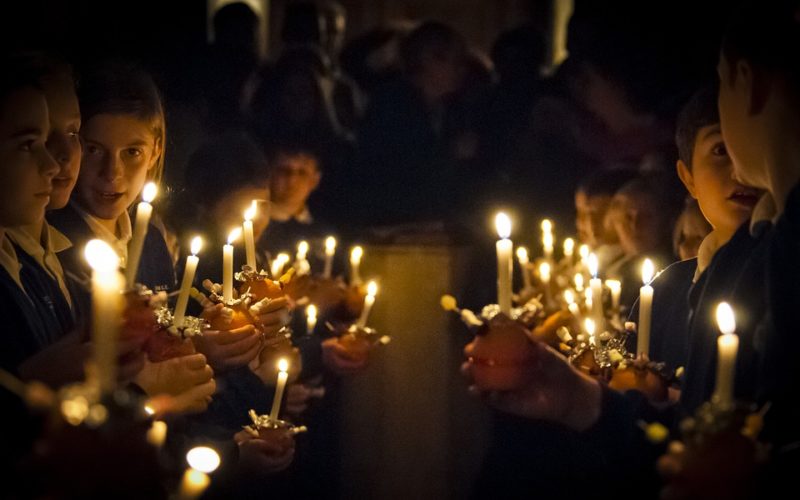
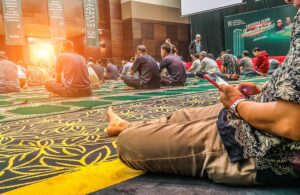
Religious communities are built on regular, repeated gathering. Whether it's Friday prayers at a mosque, Shabbat dinners, or weekly church services, these rituals create a rhythm that binds people together. Showing up week after week builds familiarity and trust — two things that are increasingly difficult to cultivate in modern social life. Research consistently shows that people who participate in religious communities report higher levels of social support and lower rates of loneliness.
Shared values as social glue
Beyond the rituals, religion offers something subtler but equally powerful: a shared moral framework. When people operate from the same set of values — kindness, generosity, humility — it creates a foundation for genuine relationships. There's less need to explain yourself from scratch. Members of a faith community often share an implicit understanding of how to treat one another, which makes it easier to form deep, lasting bonds.
Support when it matters most
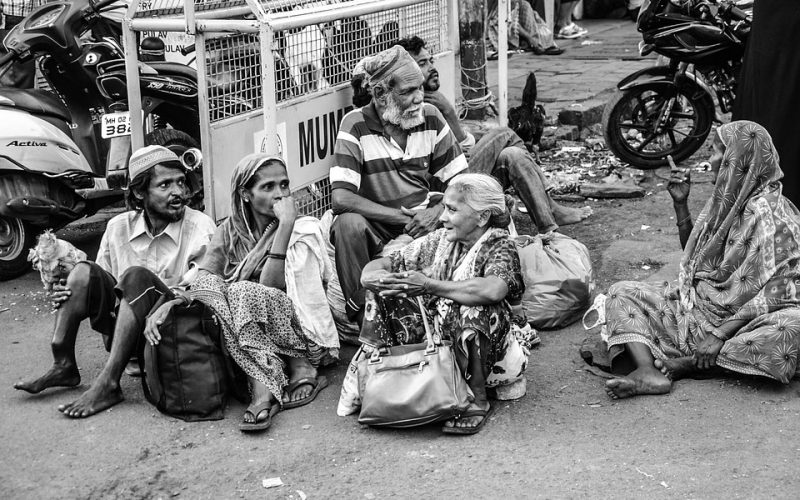
One of the most tangible benefits of religious community is the support it provides during difficult times. Bereavement, illness, financial hardship — religious groups have long traditions of rallying around members in crisis. Meals are cooked, funds are raised, and people show up. This kind of practical, embodied care is something that digital friendships and loose social ties rarely replicate. For many, it's the reason they stay connected to a faith community even when their beliefs evolve or waver.
A place for all ages
Religious communities are one of the few spaces where people of vastly different ages genuinely mix. Children, teenagers, middle-aged adults, and the elderly often worship, volunteer, and socialise side by side. This intergenerational contact has real social value. Older members pass on wisdom and stability; younger members bring energy and fresh perspectives. The result is a community that feels more like a family than a social club.
Community beyond belief
It's worth acknowledging that the communal benefits of religion don't always require deep theological conviction. Many people remain involved in faith communities primarily for the relationships, the structure, and the sense of belonging they provide. Cultural and heritage-based participation — attending festivals, observing traditions, or simply maintaining family ties — can sustain a connection to religious community even when personal belief is complicated or absent.
What religion offers that little else does
Secular alternatives to religious community — sports clubs, hobby groups, neighbourhood associations — certainly have their merits. But religious communities tend to be more durable, more diverse, and more deeply embedded in members' lives. They meet people at life's most significant moments: births, deaths, marriages, and crises. That kind of consistent presence, across the full arc of a human life, is something genuinely difficult to replicate. For all its complexities, religion continues to offer one of the most enduring forms of human community we have.